


How Does Nattokinase Work?

The standard explanation on how nattokinase works - as explained by AI is as follows.
Nattokinase, an enzyme found in the traditional Japanese fermented soybean dish natto, works by impacting the body's clotting and fibrinolysis systems.
Here's how it's believed to work:
Directly breaks down fibrin: Fibrin is a protein that plays a key role in forming blood clots. Nattokinase directly breaks down fibrin, which can help prevent blood clots from forming and even dissolve existing clots.
Enhances fibrinolytic activity: It can also indirectly enhance the body's natural clot-dissolving mechanisms.
Activates plasmin: Nattokinase promotes the production of plasmin, an enzyme responsible for breaking down blood clots.
Increases tissue plasminogen activator (tPA): It can raise levels of tPA, a protein that triggers plasmin production, leading to increased clot breakdown.
Degrades plasminogen activator inhibitor-1 (PAI-1): PAI-1 is an inhibitor of tPA, meaning it hinders the process of breaking down blood clots. Nattokinase degrades PAI-1, which removes this inhibition and further enhances fibrinolytic activity.
In essence, nattokinase acts as a natural blood thinner by both directly degrading the proteins involved in clot formation and by promoting the body's own ability to break down clots.
It's important to note that nattokinase has also been associated with other cardiovascular benefits, including the potential to lower blood pressure and cholesterol, reduce plaque buildup in the arteries (atherosclerosis), and potentially offer neuroprotective effects. However, more research, especially large-scale human clinical trials, is needed to confirm these effects and establish clear guidelines for dosage and safe usage.
Interestingly, nattokinase also reduces calcium plaques, as discussed in the previous blogs. What is the difference between a fibrin and calcium-based plaque?
A calcium plaque is a deposit in the artery wall that includes calcium and other substances, including fibrin.
A fibrin clot is a blood clot formed in response to injury or plaque rupture, where fibrin plays a critical role in its structure and stability. Fibrinogen activity - a biomarker - is often elevated in this process. However, Fibrinogen activity may also be low when micro clots are caused by a pike protein.
While fibrin is a component of plaque, the terms "calcium plaque" and "fibrin clot" refer to different (but related) structures and processes in cardiovascular disease.
Here are further definitions created by "deep-dive AI."
Is a calcium plaque the same as a fibrin clot
No, a calcium plaque is not the same as a fibrin clot, although they are related and can both contribute to cardiovascular disease.
.
Calcium plaque (calcified plaque)
Definition: A buildup of calcium and other vessel-repairing substances like cholesterol, fatty compounds, and cellular waste products within the walls of arteries.
Formation: Occurs as part of atherosclerosis, a disease where plaque accumulates and hardens in the arteries, often caused by inflammation, and sub-acute infection that drives the inflammatory process.
Impact: Can narrow and stiffen arteries, hindering blood flow and increasing the risk of heart attacks and strokes.
Fibrin clot
Definition: A blood clot formed by a protein called fibrin, which is generated in response to bleeding or injury. This is what the biomarker Fibrinogen activity detects.
Formation: Fibrinogen, a soluble protein, is converted to insoluble fibrin by thrombin, a clotting enzyme, leading to the formation of a fibrin mesh that traps platelets and seals the injury.
Impact: Essential for stopping bleeding, but can also lead to thrombosis if clots form inappropriately, blocking blood flow and potentially causing heart attacks or strokes.
In some respects, then, calcium plaques "harden the arteries" while fibrin clots are part of the repair pathway for damaged vessels.
Does nattokinase do more than break up clots?
In the previous blog below, I explained that one source of vessel calcification is stealth and chronic infections like those from periodontal disease or organisms like chlamydia pneumoniae. These organisms are the root cause in a generally unhealthy host (you) due to modern diets, environments, and behaviors.
I asked AI the question about the potential antibiotic activity of nattokinase. How you ask the question makes a profound difference in the response. Here are 2 queries.
Question 1: Is nattokinase an antibiotic?
Answer 1: Nattokinase is not an antibiotic. It is an enzyme that helps dissolve blood clots.
Here's a breakdown of what nattokinase is and does
Source: Nattokinase is an enzyme derived from natto, a traditional Japanese food made from fermented soybeans.
Function: Its primary function is as a fibrinolytic enzyme, meaning it helps break down fibrin, a protein that plays a key role in blood clot formation.
Potential Health Benefits: Nattokinase is often promoted for its potential to improve cardiovascular health, including lowering blood pressure and reducing the risk of blood clots and stroke.
Not an antibiotic: Nattokinase does not directly target and kill bacteria like antibiotics do.
Question 2: Does nattokinase have antibiotic activity?
Answer 2: Yes, nattokinase, an enzyme found in natto, can exhibit antibacterial properties, particularly against certain bacteria. It's not a broad-spectrum antibiotic like some pharmaceuticals, but it can inhibit the growth of specific bacteria.
Here's a more detailed explanation:
Natto and Bacteria:
Natto, a traditional Japanese food made from fermented soybeans, contains various active substances, including nattokinase and antibacterial peptides.
Antibacterial Activity:
Nattokinase, specifically, has shown antibacterial activity against both Gram-positive and Gram-negative bacteria, with minimum inhibitory concentrations (MICs) ranging from 6 to 30 μg/ml.
Examples of Inhibition:
Studies have shown that nattokinase can inhibit the growth of bacteria like Staphylococcus spp., Escherichia spp., and Pseudomonas spp..
Mechanism:
Nattokinase's antibacterial action is thought to involve disrupting bacterial cell membranes and potentially inhibiting cell separation during division.
Beyond Antibacterial:
Nattokinase is also known for its fibrinolytic (blood clot-dissolving) properties and potential benefits in cardiovascular health.
Not a Substitute for Antibiotics:
While nattokinase exhibits antibacterial activity, it's not a replacement for conventional antibiotics, especially in treating serious bacterial infections. It's more accurately described as having antimicrobial or bacteriostatic properties, meaning it can inhibit bacterial growth rather than directly kill bacteria in all cases.
Potential Food Preservative:
Due to its ability to inhibit bacterial growth, nattokinase has potential as a food preservative to extend the shelf life of products like meat.

Lesson learned? When using AI, it is essential to be very specific (is nattokinase and an antibiotic) AND more general (does nattokinase have antibiotic activity). Indeed, nattokinase would NOT be classified as an antibiotic. The same holds true for Vitamin D, for example. Yet vitamin D clearly has anti-infective activity.
Summary:
Nattokinase, an enzyme found in the fermented soybean product natto, has gained attention for its potential benefits for cardiovascular health due to its fibrinolytic (clot-dissolving) properties.
Recent studies show that nattokinase, at the RIGHT DOSE and RIGHT DURATION, can reverse vessel calcification.
The completely underappreciated antibacterial properties of nattokinase may also contribute to plaque reduction and/or stop the calcification process.
PREVIOUS BLOGS ON NATTOKINASE AND REDUCTION IN CORONARY CALCIUM SCORES ARE FOUND BELOW.
Nattokinase is ONE solution to vessel calcification and slowing or stopping the development of cardiovascular disease. But, does it stop or reverse the "WHY" of heart disease? The answer is maybe, but nattokinase is NOT your only solution for vessel calcification.
Both traditional doctors and MOST functional doctors are in denial about chronic infections of the viral or bacterial ilk. I suggest anyone interested in learning about chronic bacterial (and viral) infections read "Plague Time" by Dr. Paul Ewald.
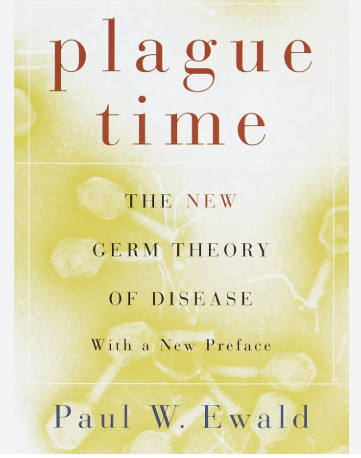
If you prefer a simpler version, read this article (subscription required).

Here is a link to a 2002 Scientific American article that discusses the role of oral pathogens, primarily bacteria, in relation to heart disease.
Here is what AI has to say about stealth and chronic infections, as well as the calcification of vessels.
Pathogens can contribute to vessel calcification through various mechanisms, primarily by triggering inflammation and influencing cellular changes in the vascular wall.
1. Infection and Inflammation:
Residence in atherosclerotic vessels: Infectious agents, such as cytomegalovirus (CMV) and Chlamydia pneumoniae, have been found residing within the walls of atherosclerotic vessels.
Inflammatory response: The presence of pathogens can trigger an inflammatory response within the vessel wall, contributing to the development of atherosclerosis, a buildup of plaque in the arteries.
Intimal calcification: Lipid accumulation and atherosclerotic plaque development, fueled by inflammation, can lead to the calcification of the vessel intima (innermost layer).
2. Influencing Cell Differentiation:
Osteogenic transformation of vascular smooth muscle cells (VSMCs): Vascular smooth muscle cells (VSMCs) can transform into osteoblast-like cells, which are capable of producing bone-like matrix proteins and promoting mineralization.
Inflammatory and atherogenic stimuli: Inflammatory cytokines and modified lipids, which can be part of the response to pathogens and atherosclerosis, can induce this osteoblastic differentiation and mineralization of VSMCs.
3. Impact on Calcium and Phosphate Balance:
Calcium phosphate deposition: Vascular calcification involves the deposition of calcium phosphate crystals, primarily hydroxyapatite.
Inflammation and altered mineral balance: Pathogens can contribute to vascular calcification by creating a chronic inflammatory state that, combined with altered mineral balance (e.g., changes in calcium and phosphate levels), promotes calcium phosphate deposition.
In summary, pathogens can contribute to vessel calcification by initiating an inflammatory response, promoting the transformation of vascular cells into bone-like cells, and disrupting the balance of calcium and phosphate that controls mineralization.
One of the best articles ever written is by doctors at UCSF who explain that lipids (your total cholesterol number) go up with inflammation and infection. This is important because your total cholesterol number goes up with calcification, as explained in the previous blog (reproduced below). Here is the key excerpt from their paper.
"The greater the severity of the underlying inflammatory disease, the more consistently these abnormalities in lipids and lipoproteins are observed. Treatment of the underlying disease leading to a reduction in inflammation results in the return of the lipid profile towards normal.
*** Note that it does not recommend treating the lipids with statin drugs. It says "treat the underlying disease (root-cause).***
The changes in lipids and lipoproteins that occur during inflammation and infection are part of the innate immune response and therefore are likely to play an important role in protecting the host."
What are the sources of chronic infections in your body?
Poor immunity and poor internal terrain due to a poor diet, lack of exercise, and lack of sunshine. Dr. Ewald explains that these organisms are already there. And, they are there for a reason, for the most part. Particularly, they are there to return us to the soil when we pass.
Congenital infections. I'm not blaming Mom and Dad, but pathogens are known to be passed on to offspring. The dose makes the poison.
Oral and nasal cavities: These areas of the body are particularly susceptible to infection. The nasal cavity, for example, is the coolest place in your body, and cool temperatures promote infections. That's why a fever is a defense mechanism against pathogens.
The gut: Low stomach acid and a weak microbiome may lead to the entry of pathogens.
Air: Pathogens float around and can enter the lungs. Please do not stop breathing. Instead, strengthen your immune system with a clean diet, regular exercise, adequate sunlight, and supplements such as iodine, vitamins A, C, and D.
Skin via tick bites, in particular. Almost everyone is aware of Lyme disease. Importantly, there is acute and chronic Lyme. The chronic phase of Lyme disease can occur when the acute (recent tick bite) is not treated promptly and effectively with natural and/or pharmaceutical antibiotics, such as tetracyclines.
Here, I explore an organism that can be transmitted to you congenitally or through the air. That organism is chlamydia pneumoniae.
I performed the following "title only" search in Google Scholar. It returned a substantial 460 references. Thus, researchers have established a connection between Chlamydia pneumoniae and vascular disease. If only the doctor community understood this connection!

Here is the link to the above article:
However, the best research paper ever written on this topic was authored by Dr. Kilmer S. McCully of Harvard Medical School.

Here are some excerpts that reference chlamydia pneumoniae specifically
"The presence of Chlamydia pneumoniae in human coronary plaques was confirmed by electron microscopy [87,88]"
"Chlamydia pneumoniae is not the only microbe that is found in atherosclerotic plaques. Ott et al identified fragments from >50 different microbial species within atherosclerotic plaques, but not a single one in normal arterial tissue [102]."
"It is not even likely that antibiotics could eliminate Chlamydia pneumoniae, because this species is able to survive inside living cells, where they are resistant to the effects of antibiotics [106]."
Lewis comment: This organism CAN be reduced or eliminated but it requires a year or more of treatment and the treatment must include optimizing every aspect of your health as measured by: white blood cell counts, C-reactive protein, fasting insulin, erythrocyte sedimentation rate and other markers of metabolic, inflammatory, and immune health.
"Creation of the vulnerable plaque. Obstruction of the vasa vasorum by aggregated lipoprotein complexes may increase the vulnerability of the cells that they nourish and lead to cell death because of localized ischemia of the vascular wall. Vasa vasorum may rupture, and the aggregated LDL particles with their load of microbial products will enter the arterial wall. These products may include living microorganisms, because viable Chlamydia pneumoniae have been cultured from atherosclerotic plaques by Ramirez [84] and Jackson et al [85]."
What is the point?
Calcified vessels leading to heart disease do not "fall from the sky." While a 1-year treatment with nattokinase (at an adequate dose) removes calcifications in your vessels, it may not address the underlying cause of the plaques. Look for the next blog on this topic where I dive deep into the actions of nattokinase.
PREVIOUS BLOG ON REVERSING VESSEL CALCIFICATION
Heart disease continues to be the #1 killer. What can you do about it?
Are you familiar with the term "reductionism?" The complex definition is given below. But, in my world, it is an oversimplification of a complex process. Not to say that a "reductionist" approach may not have benefits.
An example in healthcare is the following: Take a probiotic to solve your gut problems. If you have worked with me, you may be familiar with our 8-step process and evidence-driven approach to healing and optimizing your gut.
Reductionism: the practice of analyzing and describing a complex phenomenon in terms of phenomena that are held to represent a simpler or more fundamental level, especially when this is said to provide a sufficient explanation.
Here is encouraging news regarding the reversal of vessel calcification. Even though it is reductionist, I am now following the information presented in the study. Keep in mind that almost all research is reductionist in nature. The researchers carve out a niche in which they can secure funding (and compensation) for their efforts.
But, to quote Paul Harvey, what about "the rest of the story."
In this blog, I will not overcomplicate matters and will NOT dive into the rest of the story. Part of that story involves addressing why plaques and calcifications form in the first place. That will be the subject of subsequent blogs. So stay tuned.
The good news - and it's three-part.
Part 1: Using the correct dose of the proteolytic enzyme, nattokinase, will reverse coronary calcium scores - and by extension - harmful or even deadly vascular plaques of the calcium variety. I'm specifying the calcium variety as the JAB is known to cause fibrin plaques. But, nattokinase is known to reduce fibrin plaques.
Part 2: The study is published in the journal "Frontiers," which I believe is reasonably reliable, especially when compared to the more prestigious journals like JAMA, NEJM, and Lancet.
Part 3: Recently, one of my clients reported that his coronary calcium score decreased from over 500 to 0 (yes, zero) over the past year, and he was taking the correct dose of nattokinase. There is nothing like direct evidence corroborating a published study!

Here is a summary of the study.
Nattokinase (NK), known as a potent fibrinolytic and antithrombotic agent, has been shown to have antiatherosclerotic and lipid-lowering effects. However, data on human clinical studies are limited.
In this clinical study involving 1,062 participants, our objective was to examine the efficacy of NK in atherosclerosis and hyperlipidemia and safety at the dose of 10,800 FU/day after 12 months of oral administration.
Various factors, including lower doses that influence NK pharmacological actions, were also investigated. We found that NK at a dose of 10,800 FU/day effectively managed the progression of atherosclerosis and hyperlipidemia with a significant improvement in the lipid profile.
A significant reduction in the thickness of the carotid artery intima-media and the size of the carotid plaque was observed. The improvement rates ranged from 66.5 to 95.4%.
NK was found to be ineffective in lowering lipids and suppressing atherosclerosis progression at a dose of 3,600 FU/day.
Here is a link to the publication: https://www.frontiersin.org/journals/cardiovascular-medicine/articles/10.3389/fcvm.2022.964977/full
********* Important: Lipids improve because damage is reduced by the key action(s) of nattokinase. Lipids are the fatty substances that surround ALL HUMAN CELLS. Lipid-only lowering strategies INCREASE MORTALITY.
Here are a couple of reference for those of you who are (still) unaware of this:
Here are some key excerpts from the study:
Nattokinase administration
Nattokinase used throughout the study was administered orally as a nattokinase tablet approved by the China National Medical Products Administration (NMPA) and manufactured by Sungen Bioscience Co, Ltd, Shantou, China. Each tablet contained 3,600 FU. The oral dosage used was 10,800 FU daily. Compliance was monitored weekly by the community center's health care staff.
Study design and participants
Participants were recommended to take NK as an alternative health treatment in an attempt to improve their cardiovascular health conditions or who voluntarily took NK as a health supplement to improve/maintain cardiovascular health. Before and 12 months after NK use, all participants had blood lipid levels tested and ultrasound was performed to examine the common carotid artery for atherosclerotic evidence.
To treat or not to treat? Do you change the oil in your car? Do you see a dentist regularly? Do you take dozens of supplements but do NOT know why for most of them? Now, most of you have a good reason to take at least 1 supplement.
What do I mean by "most of you?"
This is from google AI that is still woefully misinformed on the cause of vascular disease
Coronary artery calcification (CAC) can begin to be observed as early as the second decade of life, immediately after fatty streak formation, according to the National Institutes of Health (NIH) | (.gov). This process, also known as atherosclerosis, starts in the intimal layer of the artery walls with the development of microcalcifications, or very small calcium deposits.
However, these deposits may not be large enough to be detected on imaging scans in people in their 20s and 30s. (HOWEVER, THIS IS THE TIME TO INITIATE A TREATMENT.)
Factors influencing earlier onset:
Atherosclerosis typically starts in the teens and 20s, and changes can be seen in most people by their 30s.
Diabetes: Individuals with diabetes may develop CAC approximately 6.4 years earlier on average compared to those without the condition.
Other risk factors: Smoking, hypertension, dyslipidemia, and a family history of coronary heart disease are individually associated with developing CAC 3.3-4.3 years earlier.
****AI CANNOT REPLACE GOOD DOCTORS YET - These are syndromes, for the most part - not causal factors. A key causal factor in people over 50 years old (because the plaques for people of this age are larger and more easily measured) is periodontal disease.
Periodontal Disease Is an Independent Predictor of Intracardiac Calcification
Another cause of coronary calcification is STATIN USE. Would anyone be surprised that this link no longer works?

Predicted age for first CAC scan (based on a 25% likelihood of detection):
Men with diabetes: Around 37 years of age.
Women with diabetes: Around 50 years of age.
Men without risk factors: Around 42 years of age.
Women without risk factors: Around 58 years of age.
In summary, while the process of calcification can begin quite early in life, it typically becomes observable through imaging in middle-aged and older adults, with specific timelines influenced by individual risk factors.
Dosage of Nattokinase for Reducing Coronary Calcification Scores
In the context of Nattokinase supplements, "FU" stands for Fibrinolytic Units. Your goal is to take ~11,000 FU Daily. Here are some product recommendations.
This is the product I use: It provides 20,000 FU per gram. It takes 2 capsules to provide 150 mg. Therefore, you must take 7 per day.

This product provides 4,000 FU nattokinase per capsule thus 3 are required daily which is what they recommend. It is the best value.

I often use Pure Encapsulations. Their product is 2,000 FU per capsule requiring 5-6 capsules/day.

Nattokinase 3000 has 3,000 FU per capsule in an 84 capsule container. Thus this will last 3 weeks at 4 capsules/day.

Weekly Webinar Link: Join us for detailed health information at no charge. All are welcome.


https://substack.com/inbox/post/166976658